


Fibrus funded project fights to save our wildflower meadows
2 weeks ago • 1 min read
A project led by Cumbria Wildlife Trust and funded by Fibrus has helped to turn around the decline in our wildflower meadows, with people across the county planting thousands of insect-friendly wildflowers.
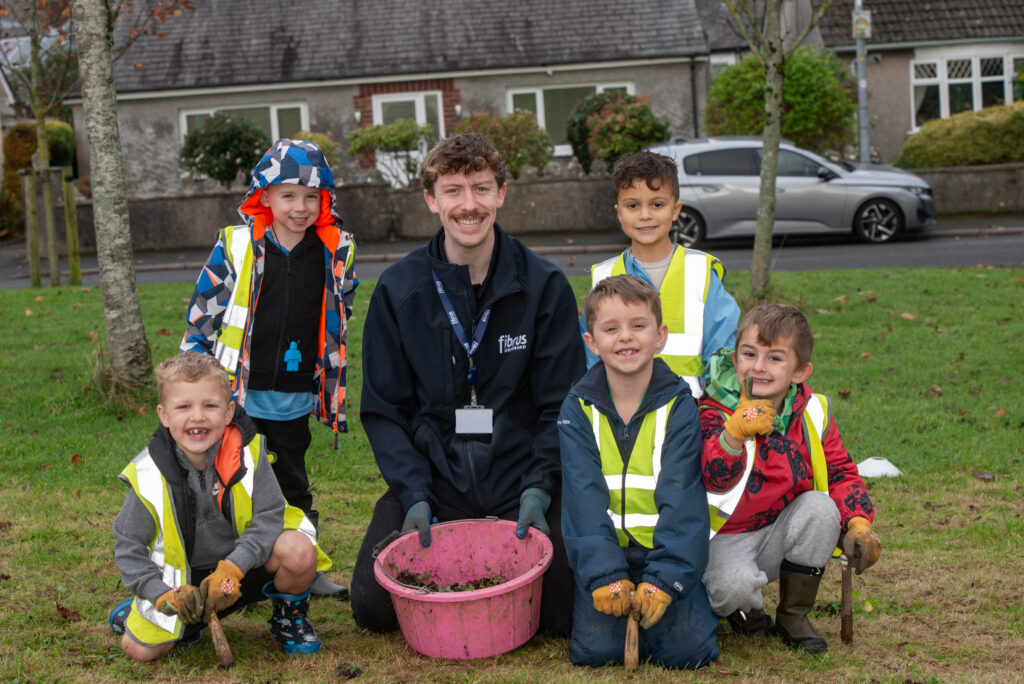
A project led by Cumbria Wildlife Trust and funded by Fibrus has helped to turn around the decline in our wildflower meadows, with people across the county planting thousands of insect-friendly wildflowers.
The initiative called Get Cumbria Buzzing Not Buffering has created 15 wildflower sites, working with local councils and landowners across West Cumbria, the Lakes, Eden, Brampton and Barrow over the past three years. It was funded by Fibrus, which contributed £150,000, and run by the trust.
“It has been a fantastic project,” said Tanya St Pierre, Cumbria Wildlife Trust’s grassland and pollinator team manager. “It has enabled us to work with communities and work towards our goal of reversing the decline in our native pollinators.”
Success is already visible across the county, with increased numbers of the rare small blue butterfly in West Cumbria. Locals at Town View in Kendal were treated to a plethora of rarer meadow flowers for the first time last summer.
During the project, hundreds of people planted more than 15,000 plugs, or young wildflower plants. More than 3,800 bulbs were planted and over 50kg of Cumbrian wildflower seed was scattered at the 15 sites.
Two thousand packets of Cumbrian wildflower seed were handed out. Fibrus staff got their hands dirty too helping to plant wildflowers at community planting days at Brampton, Lowther, Croftlands in Ulverston and Whitehaven.
“Over the last 50 years the UK has lost 97 per cent of lowland meadows and only one per cent of our upland hay meadows remain,” said Tanya.
UK butterfly populations are down by more than 50 per cent since 1976, and other insects like moths, ground beetles, wild bees and hoverflies have seen significant declines.
The causes include use of pesticides and intensive farming which was encouraged by government following World War Two. That led to the loss of the flower-rich habitats our insects depend on. In turn we rely on insects to pollinate most of our crops.
“We have around 270 species of wild bees in the UK and 13 have gone extinct since 1900,” said Tanya. “Roughly a third of the remaining wild bee species are in decline with 35 species at risk of extinction.
“Without the wild pollinators we wouldn’t have many of the foods and fruits we eat.”
This investment from Fibrus, forms part of Project Gigabit, the UK government’s programme to enable hard-to-reach communities across the country to access fast, reliable gigabit-capable broadband.
Colin Hutchinson, Managing Director at Fibrus, said:
Wildflower meadows and the insects, birds and animals they support are a natural treasure we must work together to protect. We are delighted to have helped create these 15 wildflower sites, amounting to just over three hectares of this endangered habitat.
Stephen Trotter, CEO of Cumbria Wildlife Trust, said:
It’s fundamental we ensure that pollinators don’t decline any further. They provide the food that we eat, and they help to provide the healthy ecosystems that make this planet function.
Projects like this, and support from partners like Fibrus, help us to connect with communities, and show a way to build a better future. We thank Fibrus for its commitment over the past three years.
Share article
Recent Articles

Project Stratum reaches halfway mark with full fibre broadband roll out
3 years ago• 2 mins

7 Movies to watch this Halloween
3 years ago• 4 mins

Fibrus awards £55k to help address digital poverty
3 years ago• 2 mins

Why is rural internet slow and how can it be improved?
3 years ago• 4 mins